
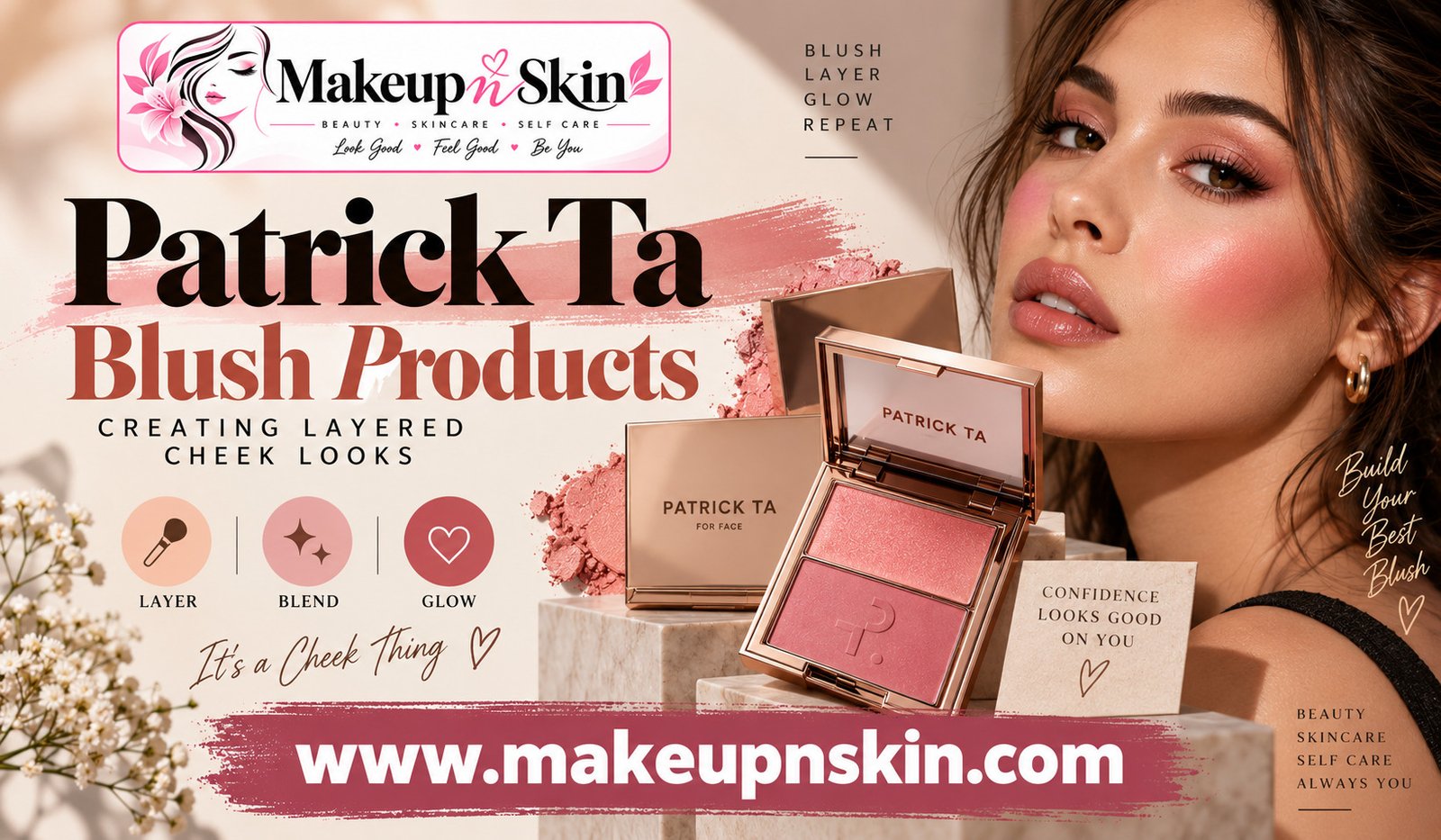
When you want your makeup to look fresh, dimensional, and naturally polished, blush can make a bigger difference than you might expect. Instead of using one flat layer of color, you can build depth by combining different textures and shades. This is where Patrick Ta Blushes have become especially interesting for makeup lovers who enjoy experimenting with layered cheek looks.
The idea is simple: you can combine cream and powder formulas to create cheeks that appear soft, sculpted, and radiant without looking overly heavy. Whether you prefer a subtle everyday flush or a more defined evening look, layering gives you control over the final result.
With the right technique, you can make your blush look like it belongs naturally to your complexion rather than sitting on top of your makeup.
Why Layering Your Blush Can Change Your Makeup
A single blush can give your cheeks color, but layering allows you to create more dimension. Different textures reflect light differently, which can make the cheeks appear more naturally rounded.
You can start with a cream formula to create a fresh-looking base and then add powder blush for additional color and staying power. Alternatively, you can use a deeper shade underneath and a lighter shade on top to create a gradual transition.
The key is not to apply every product heavily. Layering works best when each product is applied in a thin amount.
When you build your cheek makeup gradually, you can stop whenever the color reaches the intensity you want. This makes the technique useful whether you are new to makeup or already comfortable with more advanced application.
Understanding the Patrick Ta Blush Approach
Patrick Ta’s blush products are known for combining different textures and encouraging users to think about blush as more than just a single swipe of color.
Many makeup enthusiasts enjoy the flexibility of pairing cream and powder finishes. Cream blush can create a soft, skin-like appearance, while powder can add a more polished finish.
This combination can be particularly useful when you want your cheeks to have both color and dimension.
You do not necessarily need to follow one strict application method. You can adjust the order, intensity, and placement according to your skin type, makeup style, and the finish you prefer.
The goal is to create a cheek look that feels balanced rather than layered simply for the sake of using multiple products.
Start With Your Skin Preparation
Your blush will always look better when the skin underneath is properly prepared.
Before applying Patrick Ta Blushes, make sure your base makeup has settled. If your foundation or concealer still feels very wet, adding blush immediately can cause the products to move around.
A lightweight moisturizer can help create a smoother surface. If your skin tends to become dry, you may prefer a more hydrating base. If you have oily skin, keeping skincare and base makeup relatively lightweight can make your blush easier to control.
You should also avoid applying too much powder before using a cream blush. Excess powder can make a cream formula more difficult to blend evenly.
Think of your base as a clean canvas. The smoother it is, the easier it becomes to build your cheek color.
Use Cream Blush for a Fresh Foundation
Cream blush is a useful starting point when you want a naturally flushed appearance.
Take a small amount of product and place it toward the upper part of your cheek rather than immediately applying a large amount near the center. You can then gently blend the color outward and slightly upward.
Using a brush can give you more precision, while a makeup sponge can create a softer finish.
If you are creating a layered look, remember that your first layer does not need to look dramatic. You are simply establishing the basic color.
A thin cream layer can give your cheeks a healthy-looking base while leaving enough room for the powder layer you add later.
Add Powder for Dimension
Once your cream blush has been blended, you can introduce powder blush.
This step allows you to increase the intensity while adding another texture to your makeup. Use a fluffy brush and pick up a small amount of powder.
Instead of placing the powder heavily over the entire cream area, concentrate it where you want more definition. You can keep the outer edges softer so the color fades naturally into your complexion.
This creates a gradual effect rather than an obvious line.
If you accidentally apply too much powder, do not immediately add more foundation or concealer. A clean brush can often soften the edges and help distribute the excess color.
Experiment With Different Shade Combinations
Layering becomes more interesting when you experiment with shades that complement each other.
You could pair a soft pink with a warmer rose tone for a romantic cheek look. A peachy base can work well with a slightly deeper coral or terracotta shade if you prefer warmth.
For a more sophisticated appearance, you might use a muted rose underneath and a lighter pink on top.
The important thing is to choose shades that work together rather than competing with each other.
You can also use intensity strategically. A deeper shade can create the impression of depth, while a lighter shade can bring certain areas forward.
This gives you the ability to customize your cheek makeup instead of relying on a single standard blush color.
Try the Two-Texture Technique
One of the easiest ways to explore Patrick Ta Blushes is to combine cream and powder textures.
Start with your cream blush and blend it until there are no obvious edges. Allow it a moment to settle before gently applying powder.
The powder should complement the cream rather than completely cover it.
If you want a softer finish, use a light hand with the powder. If you are preparing for an event and want longer-lasting color, you can gradually build the powder layer.
This technique can also help your blush appear more dimensional in photographs because the different textures interact with light differently.
Adjust the Placement for Your Face
Blush placement can completely change the character of your makeup.
For a lifted appearance, you can place blush higher on the cheekbones and blend toward the temples. For a youthful flush, you can bring a small amount closer to the center of the cheeks.
You can also combine both approaches. Keep the deeper color toward the outer cheek area while placing a softer or brighter shade closer to the front of the cheeks.
There is no single placement that works for everyone.
Your face shape, personal preference, and overall makeup style should guide where you put the product. Take a moment to look at your face from different angles before deciding where you want the strongest color.
Build Intensity Slowly
One of the most common mistakes with layered blush is starting with too much product.
It can be tempting to apply a generous amount because you want the color to show immediately. However, layering requires patience.
Start with less than you think you need. Blend it completely and then evaluate the result.
If you want more color, add another thin layer.
This approach gives you much greater control. You can create anything from a barely visible flush to a bold editorial cheek without having to correct excessive pigment.
It also makes your final makeup look more seamless.
Create a Soft Monochromatic Look
Layered blush does not always mean using completely different colors.
You can create a monochromatic appearance by choosing two shades from the same color family.
For example, a soft pink cream underneath a slightly deeper pink powder can give your cheeks a coordinated appearance. You can carry a similar color onto your lips or eyes to create a cohesive makeup look.
This works particularly well when you want your makeup to appear intentional without being complicated.
The result can look polished while still maintaining a fresh, wearable quality.
Make Your Blush Work With the Rest of Your Makeup
Your cheek color should complement your entire makeup look.
If you are wearing a strong eye look, you may want to keep your blush softer. If your eye makeup is minimal, you can allow your cheeks to become the main feature.
Your lipstick also matters.
Warm blush shades can pair naturally with peach, terracotta, and warm nude lip colors. Pink and rose blushes can work beautifully with rosy or berry-inspired lips.
You do not have to match everything exactly. Instead, look for colors that belong to the same general color story.
Layering Tips for Different Skin Types
Your skin type can influence how you approach layered blush.
If your skin is dry, you may prefer emphasizing the cream texture and using only a small amount of powder. This can help maintain a more comfortable, fresh-looking finish.
If your skin is oily, powder can become especially useful for adding definition and helping your cheek color maintain its appearance throughout the day.
Combination skin may benefit from using cream strategically and adjusting the amount of powder according to different areas of the face.
There is no need to follow a fixed formula. Test different combinations and observe how your makeup behaves after several hours.
Avoid Over-Blending
Blending is important, but excessive blending can remove much of the color you worked to build.
When you apply the first layer, blend the edges until they disappear into the base. Once you add your second layer, use lighter movements.
Instead of repeatedly brushing the same area, use controlled strokes and check your makeup between applications.
You want the shades to transition smoothly while still maintaining enough pigment to create dimension.
A good layered cheek look should appear blended, not erased.
Why Patrick Ta Blushes Work Well for Creative Looks
The appeal of Patrick Ta Blushes is that they encourage you to think about blush as a customizable part of your makeup routine.
You can experiment with finishes, color combinations, placement, and intensity. You can keep the look minimal for daytime or build it further for parties, dinners, weddings, or photography.
The layering concept also gives you more flexibility when your makeup needs to change during the day. A subtle cream base can become more defined with additional powder later.
This makes the technique adaptable rather than restrictive.
Final Thoughts
Creating layered cheek looks is less about applying more makeup and more about applying makeup thoughtfully. By combining cream and powder textures, choosing complementary shades, and building color gradually, you can create cheeks that look more dimensional and polished.
Patrick Ta Blushes give you an opportunity to experiment with this approach while adjusting the finish to suit your personal style.
Start with a small amount, blend carefully, and add color only when you need it. Once you become comfortable with layering, you can create everything from a soft natural flush to a defined, statement-making cheek without making your makeup look unnecessarily heavy.
The best part is that you can make the technique your own. Your ideal layered blush look may be completely different from someone else’s, and that flexibility is what makes experimenting with blush so enjoyable.