
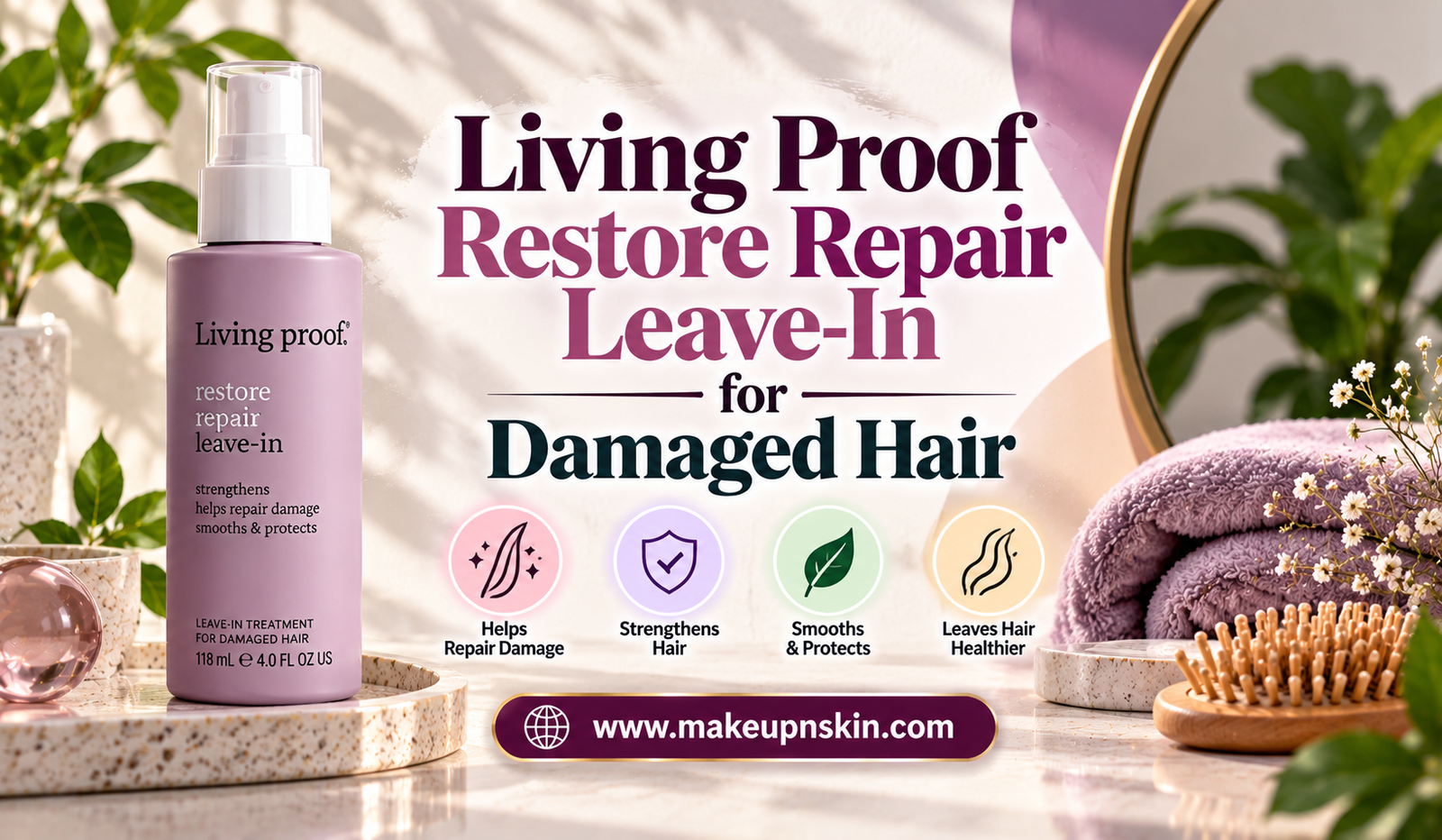
Damaged hair can be difficult to manage, especially when dryness, tangles, split ends, and breakage become part of everyday styling. Frequent heat styling, chemical treatments, coloring, environmental exposure, and rough brushing can gradually affect the appearance and feel of the hair. Although changing these habits is important, choosing suitable hair care products can also help improve softness, smoothness, and manageability.
Living Proof Restore Repair Leave-In is a hair care treatment designed for people who want to improve the condition and appearance of damaged hair without adding another rinse-off step to their routine. A leave-in product stays on the hair after application, allowing its conditioning ingredients to support easier detangling and smoother styling between washes.
For people dealing with dry or stressed strands, the appeal of a repair-focused leave-in treatment lies in its convenience. It can fit into a simple routine involving shampoo, conditioner, and a styling product while helping prepare hair for everyday grooming. However, understanding what a leave-in treatment can realistically achieve is essential. It may improve how damaged hair looks and feels, but it cannot completely reverse every form of structural damage.
This guide explores Living Proof Restore Repair Leave-In, its potential benefits, how to use it, and the practical steps that can help maintain healthier-looking hair.
Understanding Why Hair Becomes Damaged
Hair damage develops for different reasons, and identifying the main cause can help determine which products and habits are most appropriate.
Heat styling is a common contributor. Frequent use of blow-dryers, straighteners, and curling irons can expose hair to repeated high temperatures. Over time, this may leave strands feeling dry, rough, or brittle, particularly when heat is applied without appropriate protection.
Chemical treatments can also affect hair condition. Bleaching, permanent coloring, relaxing, and other chemical services may alter the hair structure. Repeated treatments, especially when performed too frequently, can increase the likelihood of breakage and uneven texture.
Mechanical stress occurs through everyday activities such as aggressive brushing, tight hairstyles, rough towel drying, and pulling knots apart. Wet hair requires particularly gentle handling because it is more vulnerable to stretching and damage.
Environmental conditions may contribute as well. Sun exposure, swimming, wind, and changes in humidity can affect hair’s appearance and manageability. In addition, naturally curly, coarse, or highly porous hair may need more conditioning to remain easy to detangle.
A suitable hair care routine should therefore focus on reducing unnecessary stress while improving the feel and appearance of the hair. A repair-focused leave-in treatment can support this process when combined with gentle styling and appropriate cleansing.
What Is Living Proof Restore Repair Leave-In?
Living Proof is a hair care brand known for products designed around specific concerns, including dryness, frizz, styling, and damage. Its Restore collection focuses on caring for dry or damaged hair, with products intended to help improve softness and manageability.
Living Proof Restore Repair Leave-In is positioned as a leave-in treatment for hair that needs additional care after washing. Unlike a traditional conditioner that is rinsed out, a leave-in product remains on the strands during subsequent styling.
This type of treatment can be useful for people whose hair becomes tangled after shampooing or feels rough when dry. It can also make a hair care routine more convenient by providing conditioning support without requiring extra time in the shower.
Before purchasing, check the exact product name and packaging. Living Proof has offered different Restore products over time, and formulas, instructions, and claims may vary by product version and market. The label on the specific product should be treated as the primary guide for application and suitability.
The purpose of a leave-in treatment is not to replace every product in a routine. Instead, it provides an additional step between washing and styling, helping hair feel more manageable while reducing the friction associated with brushing and grooming.
Key Benefits of a Repair-Focused Leave-In Treatment
1. Helps Improve Hair Manageability
One of the most noticeable problems associated with damaged hair is difficulty managing it. Strands may catch on one another, making brushing uncomfortable and increasing the risk of breakage when knots are pulled apart.
A conditioning leave-in treatment can improve slip, allowing a comb or brush to move through the hair more easily. This can be especially helpful for long hair, chemically treated strands, and hair that tangles around the nape of the neck.
For best results, apply the product according to its directions and detangle gently. Begin at the ends, working through small sections before moving toward the roots. This approach helps avoid unnecessary pulling and makes daily grooming more comfortable.
2. Supports a Softer Hair Texture
Dry or damaged hair may feel rough because its outer surface has become less smooth. Conditioning products can help improve the feel of the strands by depositing ingredients that support softness and reduce friction.
Living Proof Restore Repair Leave-In may be useful as part of a routine intended to make hair feel smoother and easier to style. The degree of improvement will depend on the product formula, hair texture, and severity of the damage.
People with very dry ends may notice a different result from those with fine hair that only experiences occasional tangling. Using the appropriate amount is important because excessive product can leave some hair types feeling coated or heavy.
3. Helps Reduce Styling-Related Stress
Hair that tangles easily can experience repeated mechanical stress during brushing and styling. When a leave-in treatment improves manageability, it may help reduce the force needed to work through knots.
This benefit is particularly relevant for people who regularly wear their hair long or frequently change hairstyles. A smoother detangling process can make routine grooming easier while helping limit avoidable tension.
However, a leave-in product should not be treated as permission to brush aggressively. Gentle handling, suitable tools, and patience remain essential, especially for bleached or heavily processed hair.
4. Improves the Appearance of Dry, Frizzy Hair
Frizz can develop when hair becomes dry, reacts to humidity, or has an uneven surface texture. Damaged strands may appear less uniform, making the overall hairstyle look less polished.
Conditioning products can help improve smoothness and make the hair look more controlled. A repair-focused leave-in treatment may therefore complement a routine for people who want a neater finish without adding several styling products.
The outcome will vary according to the weather, the hair’s natural texture, and the products used alongside the treatment. Curly hair may still require a dedicated curl cream, while hair exposed to high humidity may need an additional product designed specifically for frizz control.
5. Makes Post-Wash Care More Convenient
A practical advantage of leave-in treatments is that they do not require rinsing. After washing and conditioning, the product can be incorporated into the styling process with relatively little additional effort.
This makes it suitable for people who prefer a straightforward routine. Rather than adding multiple steps, users can select a leave-in product that addresses their main concerns and use it consistently.
Convenience should still be balanced with individual needs. Fine hair may require only a small quantity, while thick or long hair may need more careful section-by-section application.
How to Use Living Proof Restore Repair Leave-In
Correct application can influence the way a leave-in treatment feels and performs. Using too much may create buildup or weigh down the hair, while applying too little or distributing it unevenly may leave dry sections difficult to manage.
Step 1: Wash With a Suitable Shampoo
Choose a shampoo appropriate for your scalp and hair condition. If your hair is dry or chemically treated, consider a gentle formula that cleanses effectively without leaving the lengths feeling excessively stripped.
Concentrate shampoo on the scalp, then rinse thoroughly. Avoid repeatedly scrubbing the lengths unless they require additional cleansing.
Step 2: Condition the Hair
Use a rinse-out conditioner that suits your hair type. Focus on the mid-lengths and ends if those areas tend to feel dry or tangled.
Conditioning before applying a leave-in treatment can help create a more manageable starting point. Rinse the conditioner according to its instructions.
Step 3: Remove Excess Water
Gently squeeze excess water from the hair and pat it with a soft towel. Avoid rubbing the strands vigorously, as this can increase tangling and friction.
Check the directions on your particular Living Proof product to confirm whether it should be applied to damp, towel-dried, or dry hair.
Step 4: Apply the Leave-In Treatment
Use the amount recommended on the packaging. Distribute the product evenly, paying attention to the areas that need the most conditioning.
For long or thick hair, dividing the hair into sections can help achieve more consistent coverage. For fine hair, start with less product and increase the amount only if needed.
Unless the label specifically recommends scalp application, focus on the hair rather than applying the treatment directly to the scalp.
Step 5: Detangle and Style Gently
Use a suitable comb or brush to work through tangles, starting at the ends. Continue with your usual styling routine while avoiding unnecessary heat or tension.
If you use heated styling tools, check whether the specific product provides heat protection. Do not assume that every leave-in treatment offers the same protection. Use a separate heat protectant when necessary.
Is It Suitable for Different Hair Types?
A leave-in treatment may be helpful for several hair types, but the best application method depends on the hair’s texture, density, and condition.
Fine hair: Lightweight application is often preferable because excessive conditioning products can reduce volume. Concentrate on dry ends and monitor whether the hair feels clean and flexible after styling.
Thick hair: Sectioning can help distribute the product evenly. Thick hair may require more product than fine hair, but the recommended quantity and the hair’s response should guide application.
Curly hair: Curly strands can become tangled and may benefit from products that improve slip and softness. Detangle carefully in sections and avoid rough brushing, particularly when the hair is dry.
Wavy hair: A leave-in treatment may help improve manageability while supporting a smoother finish. Use enough to address dryness without making the waves appear flat.
Bleached or chemically treated hair: These strands may need a more comprehensive conditioning routine. A leave-in treatment can support everyday grooming, but deeper conditioning and reduced chemical or heat exposure may also be necessary.
People with very fragile hair or extensive breakage should consider consulting a qualified hairstylist before undertaking additional chemical treatments.
Ingredients and Product Selection
Ingredients determine how a leave-in treatment conditions hair, how it feels after application, and whether it suits an individual’s preferences. However, the precise formula should be checked on the packaging because product versions can differ.
When evaluating Living Proof Restore Repair Leave-In, review the complete ingredient list for conditioning agents, film-forming ingredients, and other components intended to improve manageability. Consider whether the formula is suitable for your hair texture and whether you have known sensitivities to any ingredients.
People who prefer fragrance-free products should pay particular attention to the label. Fragrance can be an issue for some individuals, and reactions vary from person to person.
It is also useful to consider the product’s texture. A lightweight formula may work better for fine hair, while thicker or more porous hair may benefit from a richer conditioning product. Neither option is universally better; the goal is to find a formula that addresses the hair’s needs without creating an unwanted finish.
If the product is unfamiliar, begin with a small amount and observe how the hair responds. This can help determine whether the treatment provides enough conditioning without leaving residue.
Common Hair Care Mistakes to Avoid
Even a suitable product may not deliver the desired experience if the rest of the routine places excessive stress on the hair.
One common mistake is using too many products at once. Layering multiple leave-in treatments, oils, creams, and styling products can create buildup or make it difficult to identify which formula works best. Start with a simple routine and add products only when there is a clear need.
Another mistake is using high heat too frequently. Conditioning treatments can improve manageability, but they do not make repeated high-temperature styling harmless. Reduce heat where possible and use the correct heat protectant.
Aggressive brushing is another avoidable source of stress. Work through knots gradually and choose tools appropriate for your hair texture.
Finally, do not expect a leave-in product to permanently repair split ends or reverse every form of chemical damage. Conditioning products can improve appearance and feel, but severely damaged hair may need trimming and changes to styling habits.
Building a Simple Routine for Damaged Hair
A consistent routine is generally more useful than frequently switching between products. Begin with a shampoo that suits your scalp, followed by a conditioner selected for your hair’s needs. Incorporate Living Proof Restore Repair Leave-In if it provides the additional manageability or conditioning you are looking for.
On days when the hair feels especially dry, a suitable rinse-out mask may provide additional conditioning. Use it according to the label rather than assuming that more frequent application will always produce better results.
Limit unnecessary chemical processing, avoid tight hairstyles that pull on fragile strands, and use gentle techniques when drying and detangling. If the hair is breaking extensively, reassess heat styling and seek advice from a professional stylist.
Monitor how the routine performs over several washes. Consider whether the hair feels softer, tangles less, retains its natural movement, and styles more easily. These practical observations can help determine whether the leave-in treatment is a useful addition.
Is Living Proof Restore Repair Leave-In Worth Considering?
Living Proof Restore Repair Leave-In is worth evaluating if your main concerns include dry-feeling strands, difficult detangling, and hair that needs extra conditioning after washing. A leave-in treatment can make post-wash care more convenient and help improve the way hair feels during everyday grooming.
Its suitability depends on the exact product formula, hair type, application method, and individual expectations. People with fine hair may prefer a lighter application, while those with thick or damaged hair may need to distribute the treatment carefully through several sections.
Before purchasing, confirm the exact product name, directions, ingredients, and current availability. This is particularly important when comparing products within the Living Proof Restore range, as different treatments may serve different purposes.
Conclusion
Living Proof Restore Repair Leave-In can be considered as part of a hair care routine focused on improving the manageability and appearance of damaged hair. Leave-in treatments are convenient because they remain on the strands after washing and can support a smoother, easier-to-style finish.
The most effective approach combines an appropriate leave-in product with gentle cleansing, regular conditioning, careful detangling, and sensible heat styling. While a treatment may improve softness and reduce the difficulty of everyday grooming, it cannot fully reverse severe structural damage or permanently repair split ends.
For people dealing with dry, tangled, or chemically treated hair, selecting products based on actual needs and using them consistently can make daily hair care easier. By paying attention to the hair’s response and reducing avoidable damage, it is possible to build a practical routine that supports healthier-looking, more manageable strands over time.