
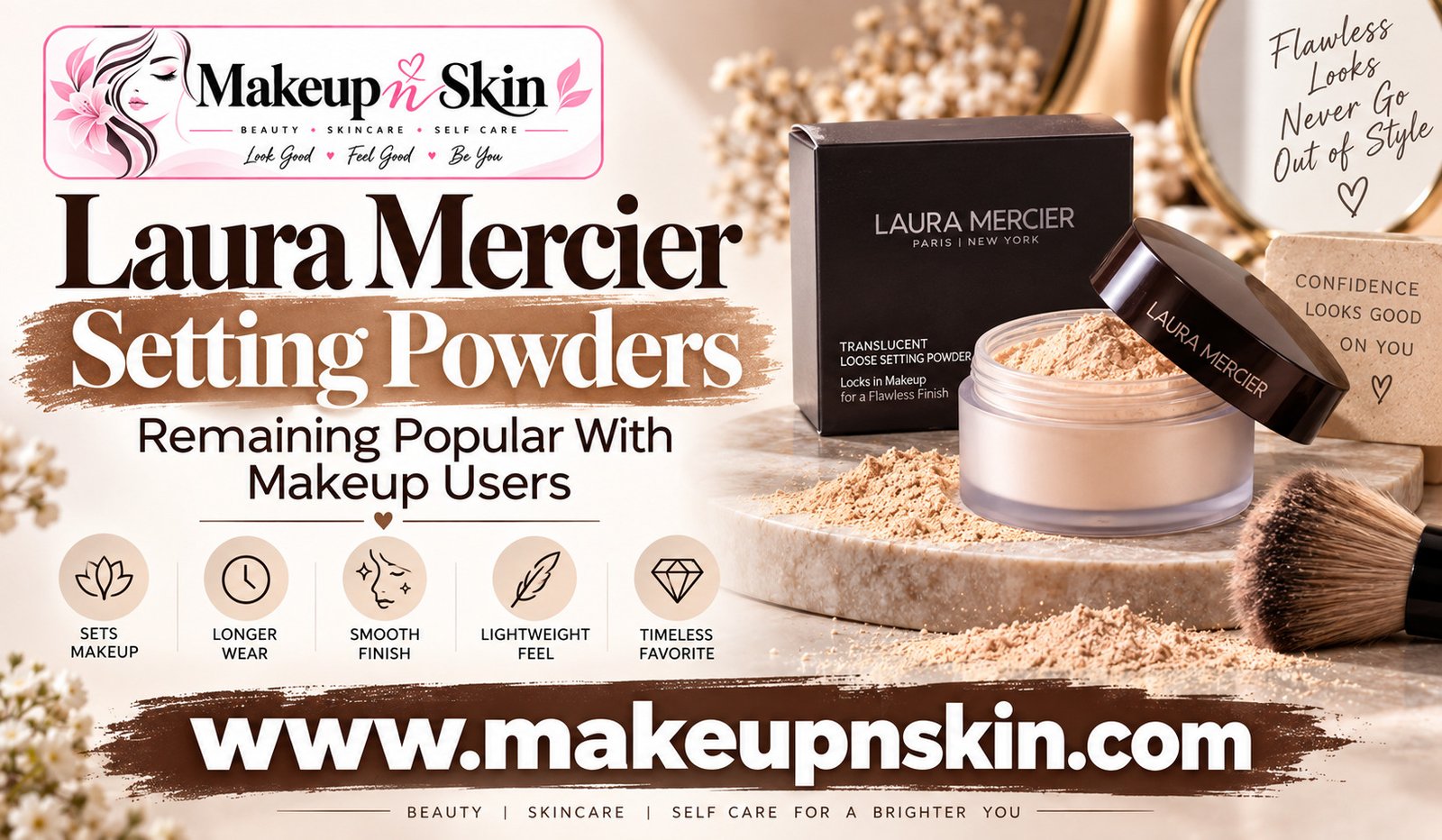
When you spend time creating your makeup look, you want it to stay fresh for as long as possible. Foundation can look smooth in the morning, concealer can brighten your under-eyes, and blush can bring warmth to your face, but the wrong finishing step can make everything fade or move throughout the day. This is where setting powder can become an important part of your routine.
Laura Mercier Setting Powders have remained popular with makeup users because they offer a finishing step that can help your makeup look more polished without making your complexion appear overly heavy. Whether you prefer a soft matte finish, carefully set under-eyes, or a more refined base, setting powder gives you another way to control how your makeup looks and wears.
Why Setting Powder Still Matters in Modern Makeup
Makeup trends change constantly. Some years focus on full coverage, while others favor lightweight skin tints and natural-looking complexions. Even with these changes, setting powder continues to have a place in many routines.
When you apply liquid or cream products, your skin can sometimes look slightly dewy or feel tacky. A small amount of powder can help reduce that feeling and create a smoother-looking finish. You can also use powder strategically instead of applying it across your entire face.
If you have combination or oily skin, setting powder can become particularly useful around areas that tend to develop shine. Your forehead, nose, and chin may need more attention than the rest of your face. Applying powder only where necessary can help you maintain some natural-looking dimension elsewhere.
What Makes Laura Mercier Setting Powders Popular?
One reason Laura Mercier Setting Powders continue to attract makeup users is their reputation for being designed as finishing products rather than simply adding another layer of coverage.
You may already have foundation and concealer providing the color correction and coverage you want. Instead of adding more pigment, a setting powder can help finish the complexion and reduce unwanted shine.
This makes the product particularly useful if you like makeup that looks neat but does not feel excessively layered. You can control how much powder you apply depending on your skin type, the weather, and the type of makeup look you want.
The brand has also become closely associated with setting powder, making it a familiar name for people who regularly explore complexion products.
Choosing the Right Amount for Your Skin
One of the biggest mistakes you can make with setting powder is assuming that more product automatically means longer-lasting makeup. In reality, the amount you use can have a major effect on the final appearance.
If you have dry skin, you may prefer applying powder only to areas where makeup tends to crease or move. Heavy powder application can sometimes make dry patches more noticeable.
If your skin is oily, you may want greater control around the center of your face. You can start with a light layer and build it gradually rather than covering your entire complexion with a thick coating.
For combination skin, you can treat different areas differently. Your cheeks may look comfortable without powder, while your forehead and nose may benefit from additional setting.
This targeted approach lets you use Laura Mercier Setting Powders according to your individual needs instead of following a single application method.
Using Setting Powder Under the Eyes
The under-eye area requires a little more care because the skin is delicate and naturally contains fine lines. Applying too much powder can make those lines appear more noticeable.
After applying concealer, you can use a small brush or makeup sponge to place a thin amount of powder underneath your eyes. Instead of immediately adding more product, give the first layer a moment and check how your skin looks.
If your concealer tends to crease, carefully setting the area can help create a cleaner appearance. However, your technique matters just as much as the powder itself.
You can also avoid bringing powder too far toward areas where you want your skin to retain a natural finish. Precision often creates a more comfortable result than heavy application.
Setting Powder for Everyday Makeup
You do not need a complicated makeup routine to benefit from setting powder. In fact, it can work particularly well when you want a simple everyday look.
You might begin with moisturizer, sunscreen, foundation or skin tint, concealer, and blush. A small amount of setting powder can then help bring the complexion together.
For work, shopping, casual outings, or everyday activities, you may prefer a lightweight application. The goal is not necessarily to make your skin completely matte. Instead, you can focus on areas where you notice unwanted shine or movement.
This approach can help your makeup retain a natural appearance while still giving you some additional control.
How Application Tools Change the Finish
The tool you use can influence how your setting powder looks on the skin.
A fluffy brush generally allows you to apply a lighter layer. You can pick up a small amount of powder, tap away the excess, and gently sweep it over the areas you want to set.
A makeup sponge can provide more concentrated application. This can be useful when you want additional setting around the nose, under-eyes, or other areas where makeup tends to move.
If you prefer a very soft finish, start with less product and gradually increase it. You can always add another light layer, but removing excess powder after it has been applied can be more difficult.
Laura Mercier Setting Powders and Long Makeup Days
Long days can put makeup through many challenges. Heat, humidity, natural skin oils, frequent touching, and movement can all affect how your complexion looks.
Setting powder cannot guarantee that your makeup will remain identical throughout the day, but it can be a useful part of a longer-wear routine.
If you know you will be outside for several hours, you can focus powder on areas that normally become shiny first. You may also carry a compact or small amount of powder for occasional touch-ups.
Instead of repeatedly applying large amounts, use small quantities when you actually need them. This can help prevent your makeup from becoming excessively powdery as the day progresses.
Avoiding a Heavy or Cakey Appearance
A polished makeup finish often comes down to balance. Too little powder may leave you feeling that your makeup is not properly set, while too much can make the complexion appear dry or textured.
To avoid this, you can begin with a well-prepared skin base. Moisturizing before makeup gives your skin a more comfortable starting point.
You should also allow skincare products to settle before applying complexion products. When your base is properly prepared, you may not need as much powder.
Another useful technique is to focus on specific areas rather than automatically powdering everything. Your skin can still have a natural-looking glow while the areas that need control remain set.
Why Different Makeup Styles Can Use Setting Powder
Setting powder is not limited to one particular makeup trend. You can adapt it to different styles.
If you love a soft matte look, you can use more powder through the center of your face. If you prefer a natural finish, apply it selectively.
For a glamorous evening look, you may want additional setting around the eyes and areas where foundation tends to move. For a minimal makeup routine, a light touch can be enough.
This flexibility is one reason Laura Mercier Setting Powders remain relevant even as beauty preferences continue to change. You can adjust the application instead of changing your entire makeup routine.
Setting Powder and Different Seasons
Your makeup needs can change depending on the weather. During warmer months, you may notice more shine and perspiration, particularly if you spend time outdoors.
In cooler or drier weather, your skin may need more moisture, which means you may want to reduce the amount of powder you use.
Humidity can also affect how your foundation and concealer behave. Rather than using the same amount of powder every day, you can adjust your technique based on your environment.
This makes your setting powder a flexible product rather than a fixed step with only one purpose.
Building a Makeup Routine That Works for You
There is no universal amount of setting powder that works for everyone. Your skin type, preferred finish, makeup products, climate, and personal style all matter.
You can start by identifying the areas where your makeup normally causes problems. If your concealer creases, concentrate on your under-eyes. If your T-zone becomes shiny, focus there.
You can then experiment with different brushes and amounts until you find a technique that feels comfortable.
The popularity of Laura Mercier Setting Powders does not mean you need to use a large amount of product. In many cases, a controlled application can provide the polished finish you are looking for.
Final Thoughts
When you want your makeup to look more refined and stay comfortable throughout the day, setting powder can be a useful finishing step. You can use it lightly for everyday makeup or build it strategically when you need additional control.
Laura Mercier Setting Powders remain popular with makeup users because they fit into a wide range of routines and application styles. Whether you prefer natural-looking skin, a soft matte complexion, or a more polished evening look, you can adjust how you use setting powder to suit your needs.
Instead of treating powder as something you have to apply everywhere, think of it as a tool you can use where it makes the most difference. With the right amount and application technique, you can maintain a balanced complexion while allowing your makeup style to remain your own.