
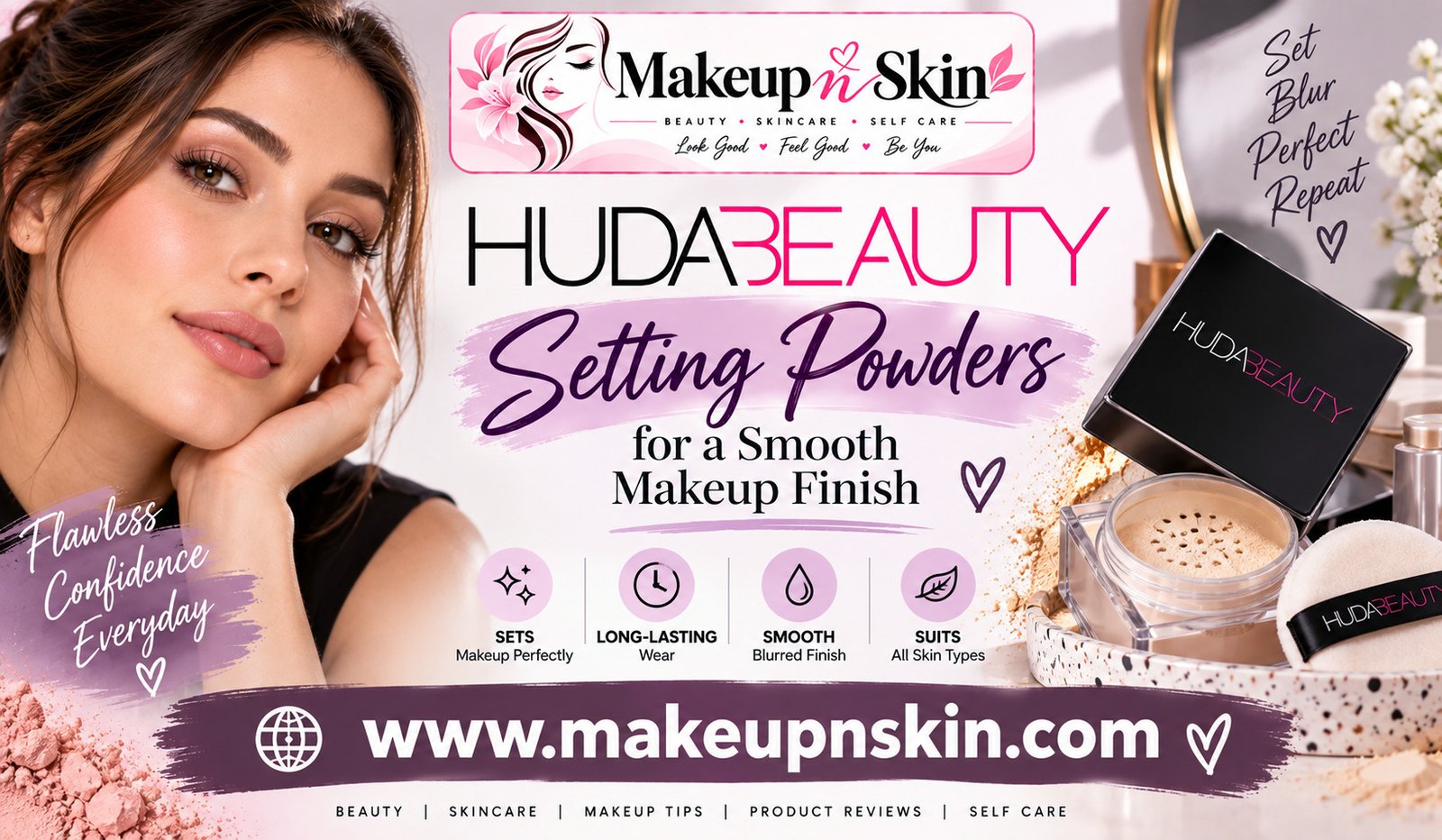
When you spend time creating your makeup look, you want it to stay fresh, smooth, and comfortable for as long as possible. Foundation and concealer can give you the coverage you want, but setting powder plays an important role in helping your base look polished. This is where Huda Beauty Setting Powders can become a useful part of your makeup routine.
Huda Beauty is known for creating products designed around modern makeup techniques, from soft glam looks to full-coverage finishes. Its setting powders are especially popular among people who want to reduce excess shine, set concealer, and create a more refined appearance.
Whether you prefer a matte complexion or simply want your makeup to stay in place without looking heavy, choosing and applying the right powder can make a noticeable difference. You also need to consider your skin type, the finish you prefer, and how much product you actually need.
Why Setting Powder Matters in Your Makeup Routine
After applying foundation and concealer, your skin may still have areas that look slightly wet or creamy. This can be useful for a fresh finish, but those products can also move during the day if they are not set properly.
Setting powder helps reduce that movement. When you apply it to the right areas, you can create a smoother-looking base while reducing unwanted shine.
You do not necessarily need to powder your entire face. If your cheeks are naturally dry but your forehead and nose become shiny, you can concentrate the powder where you need it most.
This targeted approach can help you maintain some natural-looking dimension instead of creating a completely flat matte complexion.
What Makes Huda Beauty Setting Powders Popular?
When you explore Huda Beauty Setting Powders, you will find products designed around different makeup preferences. The brand has built a strong reputation in the beauty market, particularly for complexion products that support polished, camera-ready makeup.
One reason setting powders attract attention is their ability to change the appearance of your finished base. A good powder can soften the look of foundation, reduce visible shine, and help concealer appear more settled.
You can also use setting powder to control how different areas of your face look. For example, applying a small amount under your eyes can help reduce creasing, while applying powder around the T-zone can help manage shine.
The key is not simply choosing a popular powder. You need to understand how the product fits your own makeup routine.
Choosing the Right Powder for Your Skin Type
Your skin type should influence how you use setting powder.
If you have oily skin, you may enjoy a more matte finish because powder can help reduce the appearance of excess shine. You can focus on areas such as your forehead, nose, and chin.
If your skin is dry, you may want to use less powder. Applying too much can make dry areas look more noticeable. Instead, keep your powder application focused on places where makeup tends to move.
Combination skin requires a little more balance. You can powder the oilier parts of your face while leaving drier areas with a lighter layer.
If your skin changes throughout the year, you may also need to adjust your technique. Your summer routine may require more powder than your winter routine, for example.
How to Apply Huda Beauty Setting Powders
Application technique can make a major difference in how your makeup looks.
Start by completing your foundation and concealer. Give your base a moment to settle before reaching for your powder. This allows you to see where you actually need additional setting.
Take a small amount of Huda Beauty Setting Powders with a suitable brush or makeup sponge. Remove excess product before applying it to your face.
For your under-eye area, use a light hand. Pressing a thin layer of powder over concealer can help set the product without creating a thick appearance.
For your T-zone, you can gently press or sweep the powder over areas where you notice shine. Avoid repeatedly adding layers unless you genuinely need additional coverage or oil control.
Remember that powder is usually easier to build than to remove. Starting with a small amount gives you more control over your final finish.
Pressing Powder vs Sweeping Powder
The tool and technique you choose can change your result.
When you press powder onto the skin with a sponge, you can create a more set and controlled finish. This technique can work particularly well when you want to secure concealer or reduce shine in specific areas.
A fluffy brush gives you a lighter application. It can be useful when you want your makeup to look soft rather than heavily powdered.
You can also combine both techniques. Press a small amount under your eyes or around your nose, then use a fluffy brush to soften the edges.
There is no need to follow one method every time. Your preferred finish and the needs of your skin can guide your technique.
Using Setting Powder Under the Eyes
The under-eye area needs special attention because the skin is delicate and naturally contains fine lines.
If you apply too much powder, those lines can become more visible. Instead, start with a small amount of concealer and blend it properly.
Before powdering, check for any concealer that has settled into fine lines. Gently smooth the area with your finger or brush, then apply a thin layer of powder.
You can also use a smaller brush for greater control. This helps you place powder exactly where you need it instead of covering the entire under-eye area unnecessarily.
If you prefer a softer makeup look, avoid excessive baking. A light setting technique can often give you a more natural result.
Baking vs Light Setting
Baking is a technique where you apply a noticeable amount of loose powder to selected areas and allow it to sit before brushing away the excess.
This technique can create a strongly set finish, but it is not necessary for every makeup style.
If you enjoy full-glam makeup, you may prefer a more defined powdered finish. For everyday makeup, however, you may find that a smaller amount looks more comfortable and natural.
With Huda Beauty Setting Powders, you can adjust the amount depending on the occasion. A wedding, party, photoshoot, or evening event may call for more setting, while casual daytime makeup may require much less.
How to Avoid a Heavy or Cakey Finish
One of the most common mistakes with setting powder is applying too much product.
If your foundation already provides good coverage, you do not need to use powder as another layer of foundation. Your goal is generally to set the products underneath and control shine.
Always begin with a small amount. If you need more, you can gradually build it.
Another useful tip is to make sure your skincare and complexion products have settled before applying powder. Applying powder over overly wet or slippery layers can sometimes create an uneven texture.
Finally, pay attention to areas that naturally have more texture. Heavy powder can make those areas stand out instead of smoothing their appearance.
Creating a Natural-Looking Finish
You do not have to choose between completely matte makeup and a dewy complexion.
You can use Huda Beauty Setting Powders strategically to create balance. Set your T-zone and areas where makeup tends to crease while leaving selected areas less powdered.
This technique allows some of your foundation’s natural finish to remain visible.
You can also finish your makeup with a setting spray if it fits your routine. A setting spray can help bring the different layers of your makeup together and reduce the overly powdery appearance that sometimes occurs after applying powder.
The result can look more blended and natural while still providing the staying power you want.
Setting Powder for Different Makeup Looks
Your makeup style can determine how you use powder.
For a natural everyday look, use a small amount around the nose, forehead, and other areas where you experience shine.
For office makeup, you may want a balanced finish that remains polished without appearing overly matte.
For an evening look, you can increase the amount slightly, particularly if you expect to spend several hours wearing your makeup.
For full-glam makeup, you can use more structured powder placement and techniques such as controlled baking.
The same powder can therefore become part of very different makeup styles depending on how you apply it.
Common Mistakes to Avoid
A few simple mistakes can affect your final finish.
The first is using too much powder too quickly. Start with less and build gradually.
The second is applying powder everywhere automatically. Instead, look at your skin and identify where you actually need it.
The third is ignoring your skin type. A powder-heavy routine may not be comfortable if your skin is already dry.
Another mistake is failing to blend the powder properly. Once you have applied it, check your makeup under natural light if possible. This can help you spot areas where the powder looks uneven.
You should also clean your brushes and sponges regularly. Makeup tools can collect oil, product residue, and impurities over time.
Final Thoughts on Huda Beauty Setting Powders
A good setting powder can turn a freshly applied makeup base into a more polished and controlled finish. Huda Beauty Setting Powders give you an option to manage shine, set concealer, and create the type of complexion you want without making your routine unnecessarily complicated.
The most important part is your application technique. You do not need a large amount of powder to achieve a smooth-looking result. Instead, focus on the areas where your makeup actually needs additional setting.
Pay attention to your skin type, choose the right tools, and build the product gradually. When you combine these habits with a well-prepared base, you can create makeup that looks smoother, more balanced, and comfortable throughout the day.
Ultimately, your setting powder should support your makeup rather than cover it. With the right amount and technique, you can keep your complexion looking refined while allowing your overall makeup style to shine.